
Articles / What Is Cultural Tourism, and Why Is It Important to Nova Scotia’s Economy?
What Is Cultural Tourism, and Why Is It Important to Nova Scotia’s Economy?
Cultural tourism is when people travel to learn about a place’s history, art, traditions, and way of life. In Nova Scotia, cultural tourism is very important because it helps visitors connect with local communities. Visitors might explore museums, historical sites, festivals, or take part in local traditions.
In 2019, tourism in Nova Scotia contributed $998.1 million to the province’s economy, making up 2.3% of the total Gross Domestic Product (GDP). This was higher than the national average of 2.0% for tourism’s share of GDP in Canada.Nova Scotia has been listed by Travel + Leisure as one of the “50 Best Places to Travel in 2025.” The province is famous worldwide for its beautiful scenery and unique charm, attracting visitors from around the globe.
What Makes Nova Scotia Culturally Unique?
Nova Scotia has a special culture made up of different communities and histories. These include:
Mi’kmaq Culture: The Mi’kmaq people have lived in Nova Scotia for thousands of years. They share stories, traditional arts, and their way of life with visitors.
Acadian Culture: Descendants of French settlers, known as Acadians, live mainly in places like Clare and Chéticamp. They are known for their lively music, food, and festivals.
Scottish (Gaelic) Culture: Nova Scotia, especially Cape Breton Island, has strong Scottish roots. Visitors enjoy Scottish music, dance, and language at events like the Celtic Colours Festival.
African Nova Scotian Culture: African Nova Scotians have lived here for over 400 years. Their communities share their history through museums, cultural centers, and celebrations.
UNESCO World Heritage Sites: Sites like Old Town Lunenburg and the Grand Pré landscape are internationally recognized for their history and cultural importance
Economic Contributions
Cultural tourism drives economic growth in several ways:
Increased Spending: Tourists visiting for cultural experiences spend money on accommodation, food, transportation, and local products.
Job Creation: The tourism sector, including hospitality, tour guiding, and cultural venues, provides numerous job opportunities for residents.
Support for Local Businesses: Local artisans, restaurants, and cultural organizations benefit from tourist spending, contributing to the local economy.
Infrastructure Development: Tourism often leads to improvements in infrastructure, such as roads, public facilities, and cultural centers, which benefit the entire community.
Overall Impact
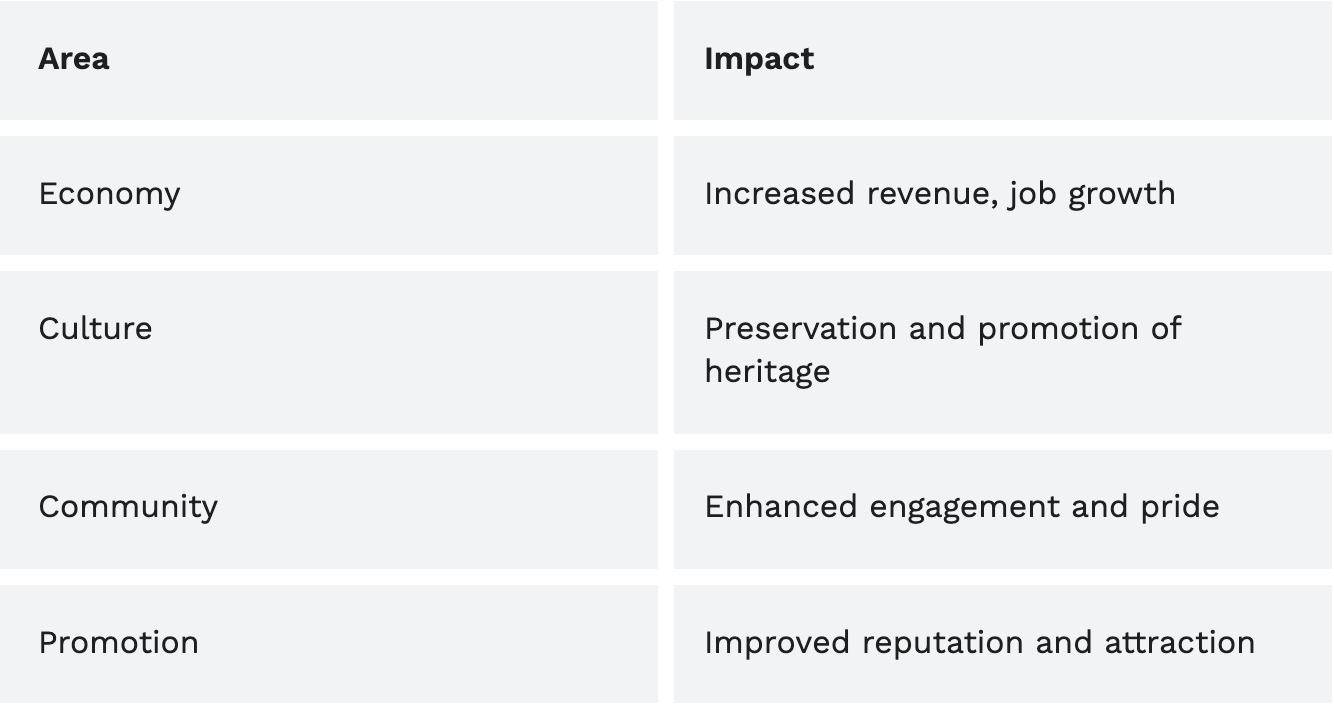
Tourism: A Powerhouse in Nova Scotia’s Economy
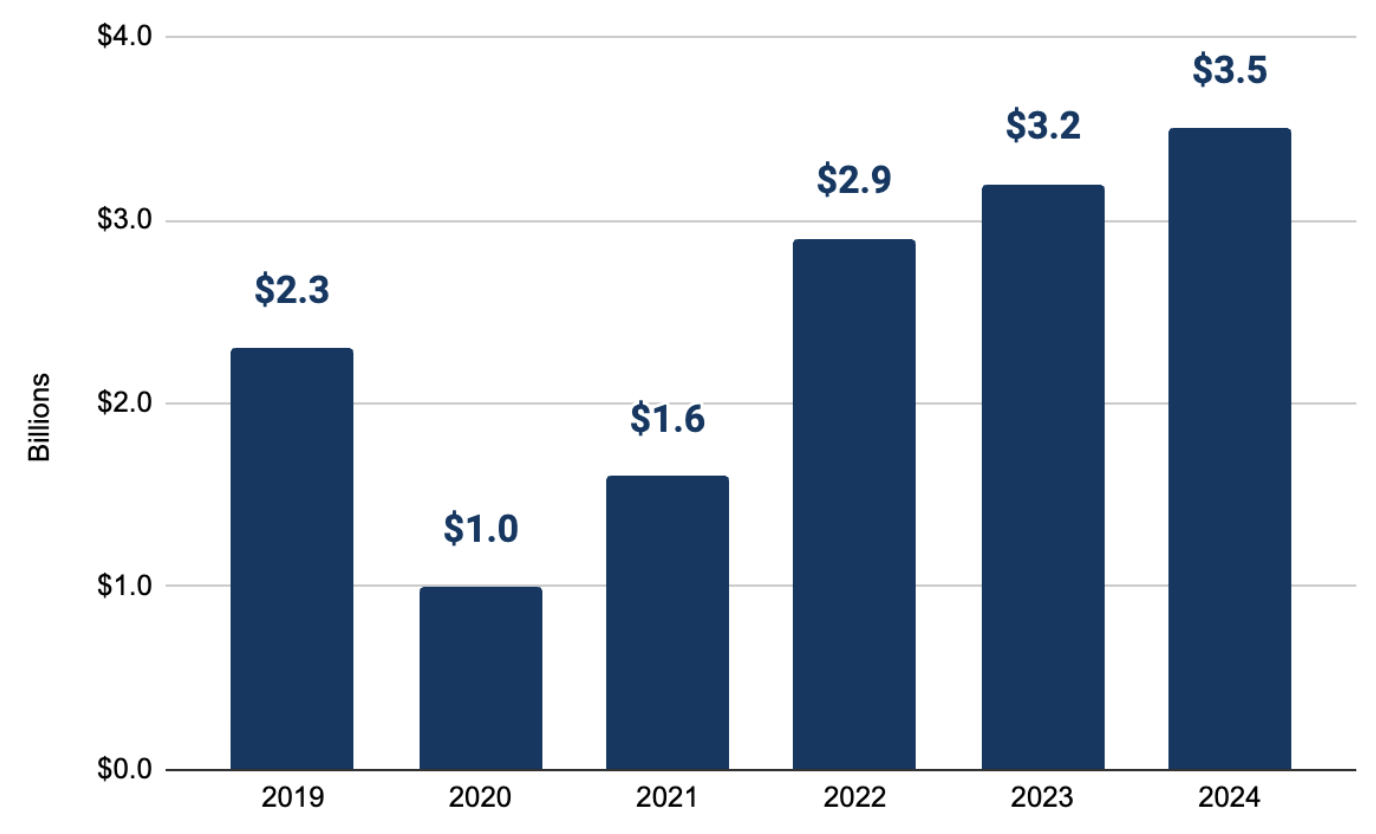
Revenues have steadily increased reaching $3.5 billion in total tourism spending in 2024.
Figure 1: Tourism Revenues in Nova Scotia (2024)
Source: Tourism Nova Scotia 2024
Tourism spending in Nova Scotia has been going up steadily. In 2024, the province reached $3.5 billion in total tourism spending. This is a big recovery after a major drop in 2020 because of the COVID-19 pandemic.
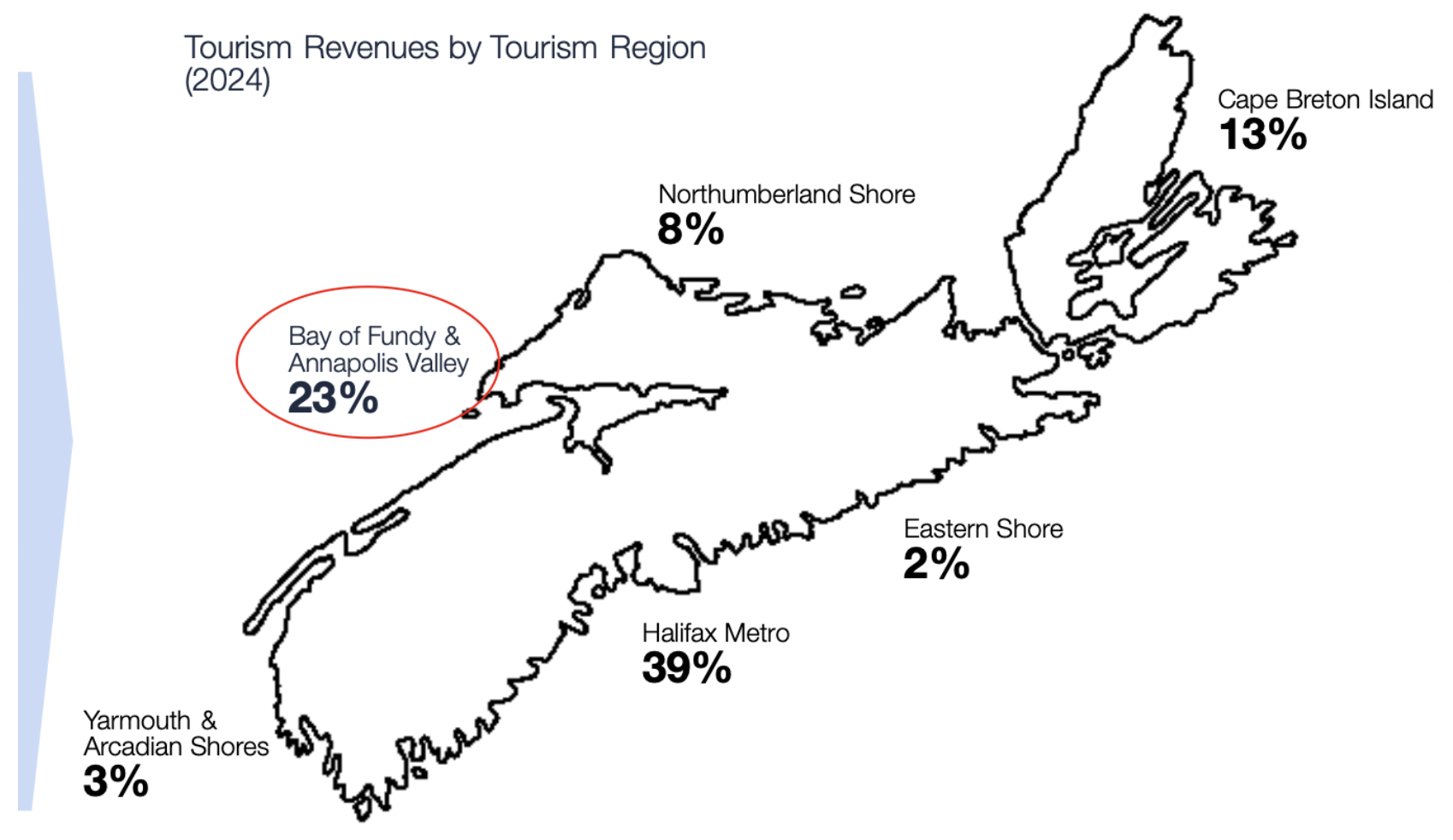
Bay of Fundy & Annapolis Valley accounted for 23% of province’s tourism revenues in 2024
Figure 2: Tourism Revenues by Tourism Region (2024)
Source: Tourism Nova Scotia, 2024
Bay of Fundy & Annapolis Valley are the second largest contributors to tourism revenue in Nova Scotia.
Between Bay of Fundy & Annapolis Valley and Halifax Metro, they account for 62% of the province’s tourism revenues.
Nova Scotia had about 2 million visitors in 2024
Figure 3: Total Visitors – Nova Scotia (2023-24).
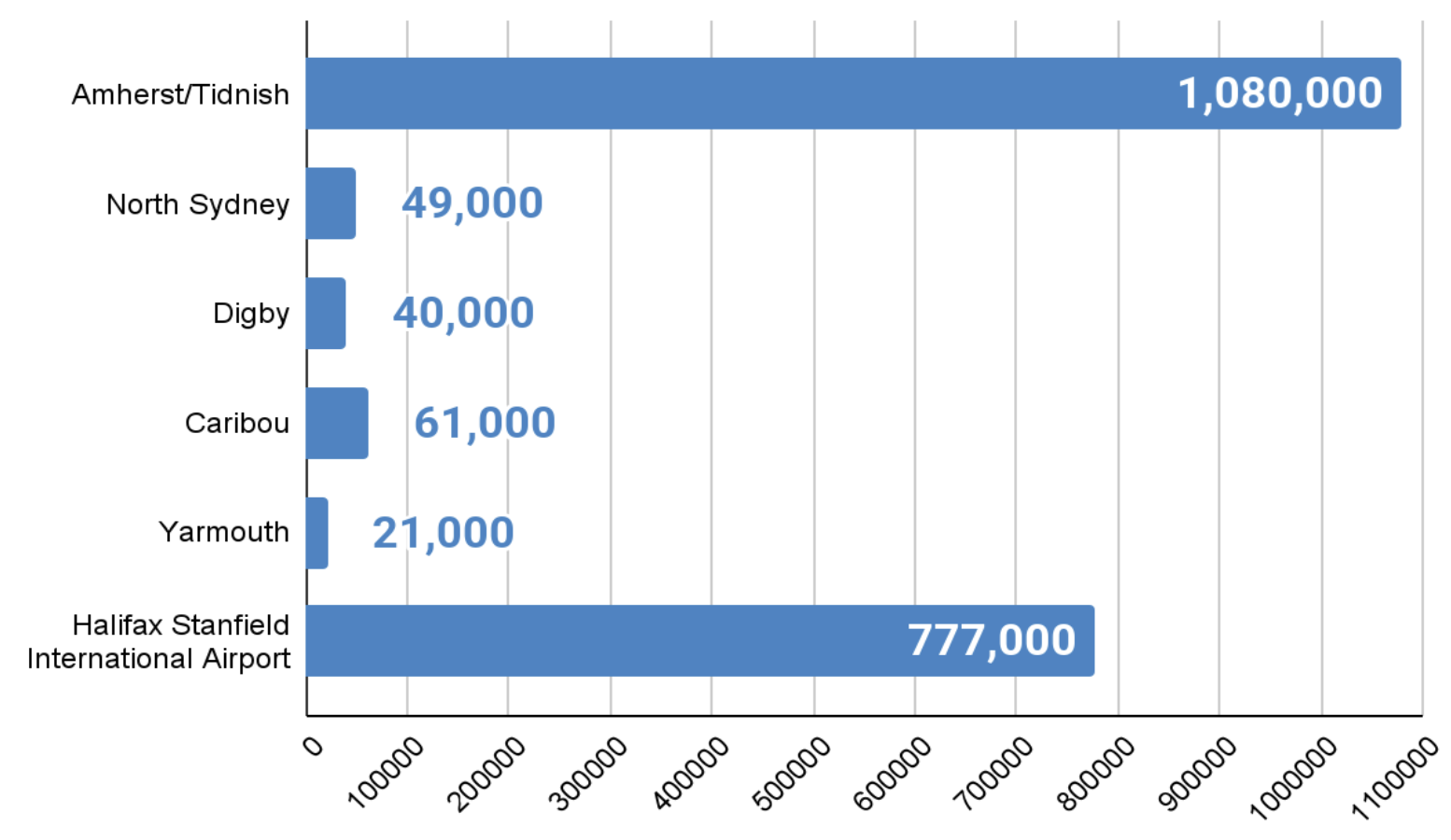
Most visitors in 2024 arrived by road. But this number declined compared to 2023. 1.3 million arrived by road, 7% less than the previous year. But, visitation by air increased by 6% in the same period.
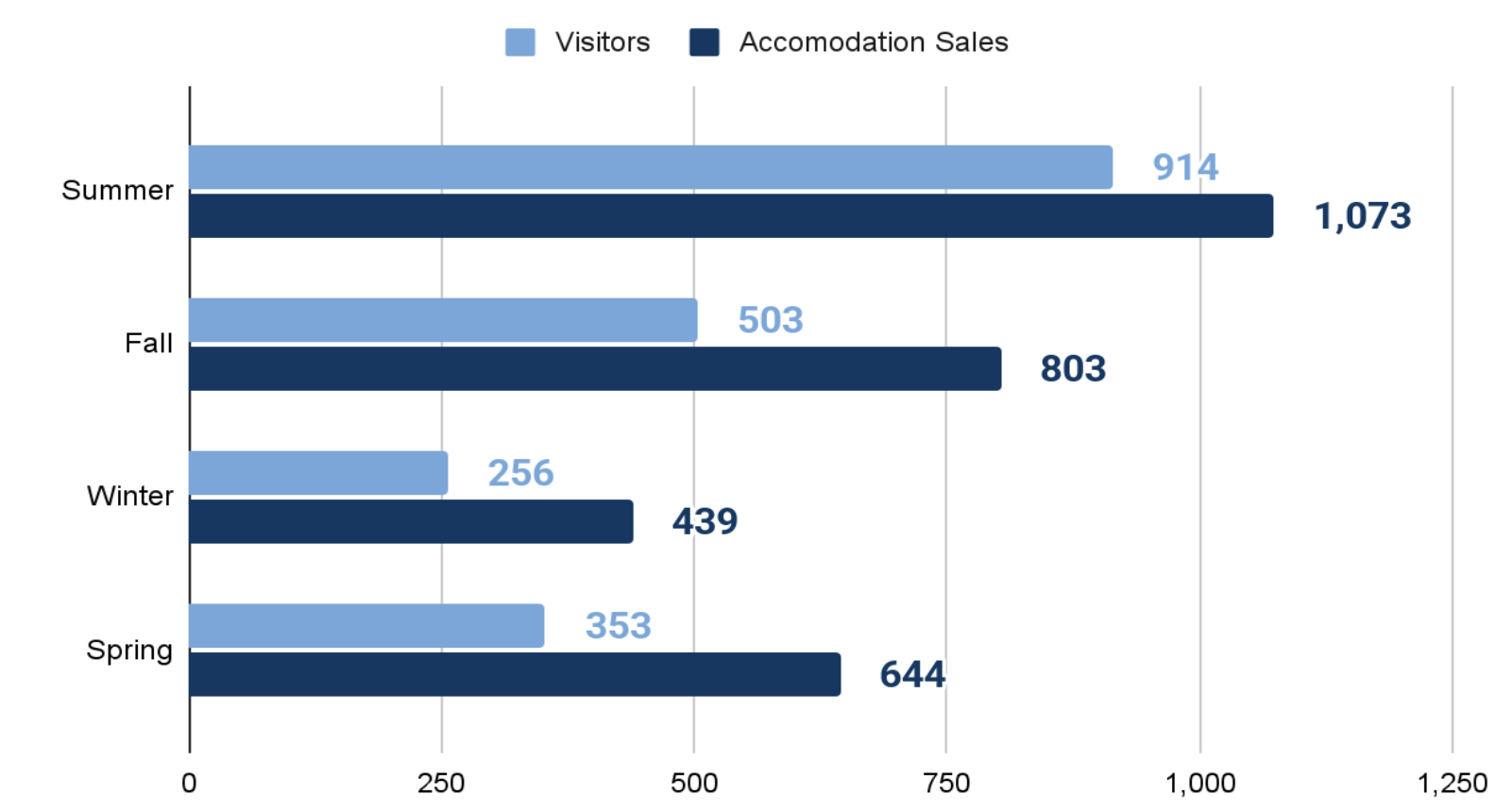
About 914,000 non-residents traveled to the province during the Summer.
Figure 4: Total Non-Resident Visitors and Room Night Sales (000’s) – 2024
Source: Tourism Nova Scotia, 2024
In 2024, about 45% of visitors came during the summer months. This is the most popular time to visit because of the warm weather and many festivals and events. There were about 2 million visitors from outside the province in total that year. But during the winter and spring, fewer people came to visit. Even though the number of visitors was lower in these seasons, people who did come stayed longer and booked more room nights at hotels and places to stay.This means winter and spring can still be important times for tourism, especially if more cultural experiences and events are offered during those months
High-Value vs High-Traffic -Why Fewer Tourists Can Be Better for Nova Scotia
Nova Scotia is shifting to a “high-value, low-traffic” tourism model. Instead of attracting huge crowds, the province wants fewer visitors who spend more – like staying longer or booking premium experiences. In 2024, tourist numbers dropped by 2%, but revenue hit a record $3.5 billion, up 10%. This shows that fewer, higher-spending tourists can boost the economy more than big crowds.
Many people in Nova Scotia, especially in small towns, support “high-value, low-traffic” tourism. This means fewer tourists who spend more and care about the place they visit. It helps avoid problems like crowded roads, packed parks, and long waits for local services. Too many tourists can also harm the environment and make life harder for residents.
Benefits of a High-Value, Low-Traffic Strategy
High-value tourism often encourages longer stays and off-peak travel as well. For instance, travelers seeking premium cultural experiences (like culinary tours, heritage immersions, or golf vacations) are often willing to visit outside the busy summer season and stay several days. This can extend the tourism season and spread out visitation. Cape Breton’s renowned Celtic Colours International Festival is a good example: each October it attracts cultural tourists from around the world for a nine-day music and heritage festival, effectively extending Cape Breton’s season into the fall.
Tourists stayed on average 6 nights, and stay for longer in Nova Scotia as of 2022.
Figure 5: Number of Nights Stayed (2024).
Source: Tourism Nova Scotia, 2022
The average length of stay in Nova Scotia increased in 2022, compared with previous years.There were more visitors reporting 8+ night stays compared to those staying for 1-2 nights in 2022.
Moreover, targeting higher-value segments can incentivize investment in quality tourism products that also enrich the community. Nova Scotia has been developing world-class experiences from upscaling culinary and wine tours to luxury outdoor resorts, which not only draw big-spending visitors but also create jobs and improve facilities for locals. A case in point is the development of luxury golf resorts in Inverness, Cape Breton. The Cabot Links and Cabot Cliffs courses have become a “high-end tourism destination, attracting an international clientele” and acting as a catalyst for economic development in the region.
High-value cultural tourism doesn’t just bring money, it helps communities protect their traditions and heritage. When tourists are willing to pay for real, meaningful experiences, it gives locals a reason (and the funding) to keep their history, art, and stories alive.
In Nova Scotia, more people are interested in Indigenous culture. Mi’kmaw communities are meeting that interest with guided experiences like the Eskasoni Cultural Journeys and Membertou Heritage Park. These let visitors learn about Mi’kmaq language, history, and traditions directly from Mi’kmaq people.
This kind of tourism supports local businesses, funds community programs, and builds pride. It creates a win-win: tourists enjoy authentic experiences, and communities get the tools to keep their culture strong for future generations.
The province has opportunities to create unique experiences where tourists can participate rather than just observe.
Authentic Indigenous Experiences
Developing and promoting Indigenous-led tourism initiatives can provide visitors with genuine cultural experiences while supporting local communities. For instance, the Mi’kmaq Cultural Tourism Strategy focuses on sharing authentic Mi’kmaw culture, language, and landscapes. This strategy emphasizes Mi’kmaq leadership, authenticity, and community-led development to ensure sustainable tourism growth .
Targeted Marketing and Branding
Tourism Nova Scotia employs research-driven marketing to attract travelers seeking unique cultural experiences. By focusing on markets with the highest opportunity and cultivating compelling experiences throughout the province, the strategy aims to inspire tourism pride and confidence.
Community Engagement and Capacity Building
Empowering local communities to participate in tourism planning ensures that development aligns with residents’ values and preserves cultural integrity. The Department of Communities, Culture, Tourism and Heritage offers funding programs to support community-led cultural initiatives, fostering sustainable growth and community pride .
Investment in Quality Infrastructure
Investing in infrastructure that enhances visitor experiences, such as interpretive centers, signage, and accessibility improvements can elevate the quality of cultural tourism offerings. High-quality heritage venues attract more valuable, longer-stay tourists, contributing to the local economy and cultural preservation.
Collaborative Partnerships
Forming partnerships between government agencies, tourism operators, and cultural organizations can lead to cohesive and effective tourism strategies. Collaborative efforts ensure that cultural tourism development is inclusive, sustainable, and beneficial to all stakeholders involved.
- admin



Let’s Drive Growth Together
Reach out to us for a free consultation with ASBB Consulting!