
Articles / More Than Hockey Rinks and Trails: Why Recreation Is Becoming One of the Most Important Investments Rural Municipalities Can Make
Introduction
Over the past several years, ASBB Economics has had the opportunity to work with several municipalities across Nova Scotia and Atlantic Canada on recreation, tourism, community infrastructure, and economic development projects. One thing that becomes increasingly clear in almost every rural community we work with is this:
Recreation is no longer simply a “nice-to-have” municipal service.
It has become deeply connected to economic development, population retention, community health, tourism growth, and overall quality of life.
In many rural communities, recreation facilities and spaces are where communities come together. They are where children play sports, seniors remain socially connected, families gather, newcomers integrate into communities, and local events create a sense of belonging. Particularly in smaller municipalities, recreation infrastructure often becomes one of the most visible and important parts of community identity.
And increasingly, the data supports this.
According to the Canadian Parks and Recreation Association (CPRA), over 94% of Canadians believe recreation and parks are essential services that improve quality of life and community well-being. Research from Statistics Canada has also consistently shown that participation in recreation and physical activity is strongly associated with improved mental health outcomes, stronger social cohesion, and higher levels of community attachment.
This matters more than ever in rural Canada.
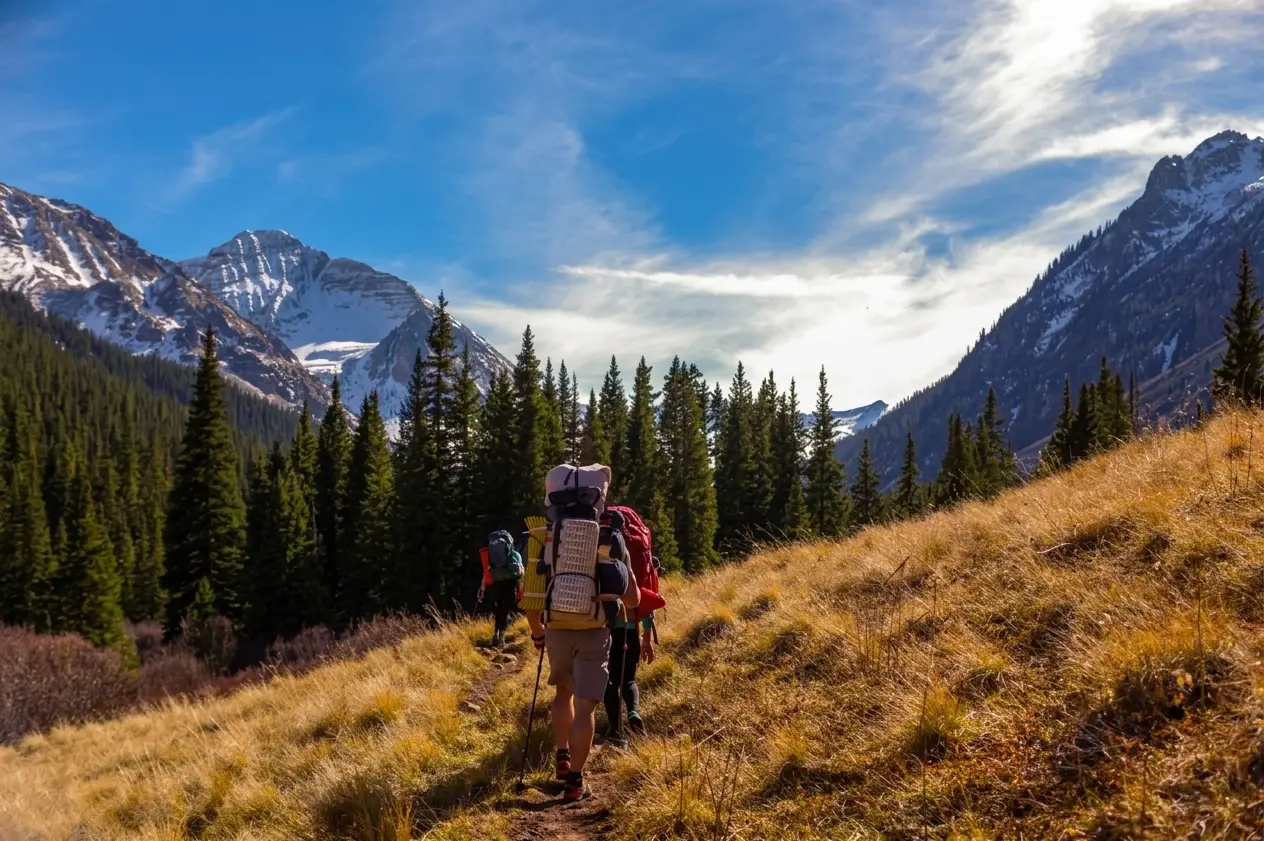
Recreation is also Economic Development
Historically, recreation was often viewed primarily as a municipal expenditure category. Today, many municipalities are beginning to recognize recreation as an economic development investment.
Communities with strong recreation and quality-of-life amenities are often better positioned to:
• Attract and retain young families,
• Attract remote workers and newcomers,
• Support tourism development,
• Increase local spending,
• Improve resident satisfaction, and encourage long-term population growth.
Research published in the Journal of Rural and Community Development has shown that quality-of-life infrastructure — including recreation amenities, trails, parks, and cultural assets — increasingly influences where people choose to live and work, particularly among younger professionals and mobile workers.
This trend accelerated significantly following the COVID-19 pandemic.
According to a 2023 Angus Reid survey, over 62% of Canadians indicated that access to outdoor recreation and quality-of-life amenities plays an important role in residential location decisions. In smaller communities across Atlantic Canada, this shift has created both opportunities and pressures for municipalities attempting to attract residents while maintaining infrastructure affordability.
At the same time, recreation infrastructure also supports tourism economies.
Trails, waterfronts, community centres, festivals, sports tournaments, and cultural facilities all contribute to local economic activity. Visitors attending recreation-related events generate spending across accommodations, restaurants, retail businesses, gas stations, and local service providers.
The Conference Board of Canada has estimated that recreation, parks, and cultural activity generate billions annually in economic activity nationally through direct spending, tourism, construction activity, and broader economic multiplier effects.
What Municipalities Typically Spend on Recreation
Across Canada, municipalities collectively spend billions of dollars annually on recreation and cultural services. According to the Federation of Canadian Municipalities (FCM), recreation and culture often represent between 8% and 15% of total municipal operating expenditures, depending on municipality size and regional responsibilities.
In rural municipalities, recreation expenditures commonly include:
• Arenas and ice facilities,
• Parks and playgrounds,
• Trails and active transportation infrastructure,
• Waterfront improvements,
• Sports fields,
• Community centres,
• Libraries and cultural facilities,
• Festivals and events
• And grants to local recreation organizations.
However, many rural municipalities face a difficult reality:
they are often responsible for maintaining aging recreation infrastructure with relatively small tax bases and dispersed populations.
Common Challenges Facing Rural Municipalities
Many of the municipalities ASBB works with are facing similar recreation-related challenges.
Aging Infrastructure
Much of Canada’s recreation infrastructure was built decades ago. According to the Canadian Infrastructure Report Card, nearly 30% of recreation and cultural infrastructure nationally is considered to be in fair, poor, or very poor condition.
This creates growing pressures around capital replacement, deferred maintenance, and operational sustainability.
Limited Municipal Capacity
Smaller municipalities often face limited staffing capacity, volunteer burnout, and growing demands on municipal departments. Recreation systems in rural communities frequently rely heavily on volunteers and community organizations to sustain programming and facilities.
Rising Costs
Inflation, construction costs, insurance, labour shortages, and utility costs have all significantly increased recreation operating pressures over the past several years.
Statistics Canada construction data shows that recreational construction costs have risen substantially since 2020, placing additional pressure on municipal capital planning.
Changing Recreation Preferences
Communities are also experiencing changing demographics and evolving recreation interests. Younger residents increasingly seek:
• Trails,
• Active transportation,
• Wellness programming,
• Outdoor recreation,
• And flexible multi-use spaces, alongside traditional recreation infrastructure.
What Municipalities can do
While there is no single solution, many municipalities are beginning to take creative and strategic approaches to strengthening recreation systems.
Viewing Recreation as an Investment
More municipalities are integrating recreation directly into economic development, tourism, and population attraction strategies.
Research from the University of Waterloo’s Healthy Communities Research Network found that investments in recreation and public spaces often generate long-term economic returns through improved health outcomes, tourism activity, and community attractiveness.
Investing in Outdoor Recreation
Trails, waterfronts, parks, and outdoor recreation infrastructure can often provide relatively cost-effective opportunities that support both residents and visitors while strengthening tourism economies.
Regional Partnerships
Regional collaboration and shared-service approaches can help municipalities pool resources and improve long-term sustainability for larger recreation facilities.
Multi-Use Community Spaces
Flexible facilities that support sports, arts, culture, tourism, events, and community programming often create stronger utilization and broader community value.
Pursuing Grants and Partnerships
Federal and provincial infrastructure programs continue to provide important opportunities for municipalities to upgrade recreation assets and improve accessibility and sustainability.
Looking Ahead
In many ways, recreation infrastructure has become one of the foundational pieces of community-building in rural Canada.
While roads, water systems, and housing remain critical priorities, recreation spaces are often what make communities feel connected, vibrant, and livable. They contribute not only to physical activity, but also to mental health, social cohesion, tourism development, and economic resilience.
For rural municipalities across Atlantic Canada, the challenge moving forward will not simply be maintaining recreation systems — it will be finding sustainable ways to adapt them to changing demographics, changing economies, and changing community needs.
Increasingly, the municipalities that invest strategically in recreation are also investing in:
• Quality of life,
• Economic competitiveness,
• Tourism growth,
• Population attraction, and long-term community sustainability.
And in many communities, those investments are proving to be some of the most important investments municipalities can make.
- admin
Let’s Drive Growth Together
Reach out to us for a free consultation with ASBB Consulting!